Vinyl Siding Maintenance Tips for Homeowners
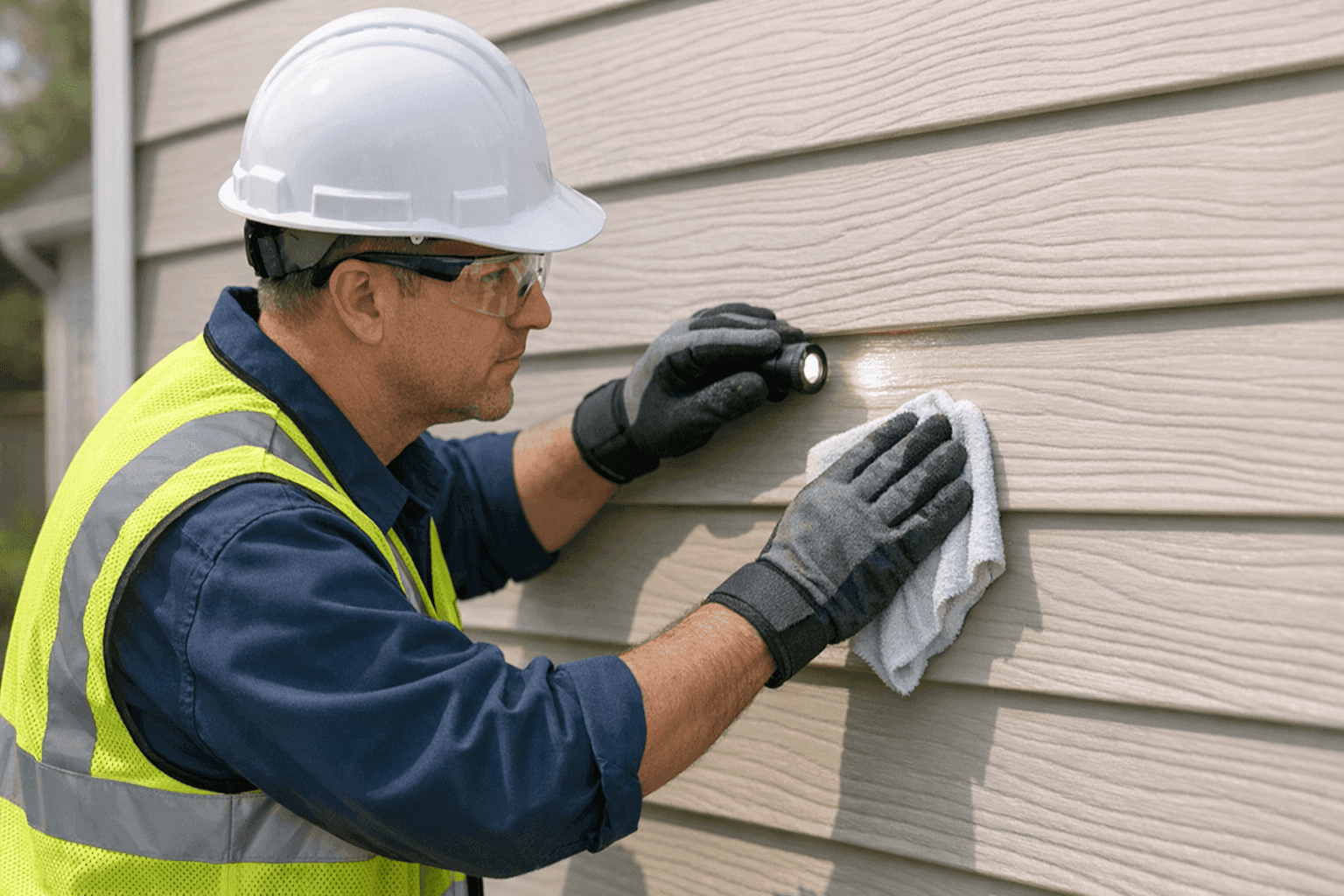
Vinyl siding is like the shield of your home. It’s tough, reliable, and—when cared for—keeps your biggest investment looking sharp and protected year after year. But even the strongest shield needs a little attention. If you want your siding to last, skip the guesswork. Use these real-world tips, straight from the team at Kroll Siding.
Whether you’re a first-time homeowner or just tired of seeing grime and dings every spring, this guide will walk you through practical steps to keep your siding in top shape. Protect your curb appeal, your wallet, and your peace of mind.
Cleaning Vinyl Siding: The Right Way 🧽
Dirt, pollen, spider webs—they all cling to siding like burrs to a sweater. Regular cleaning is key. Most manufacturers, including the Vinyl Siding Institute, recommend washing vinyl siding at least once a year.
Here’s how to clean siding safely:
- Mix warm water with mild dish soap in a bucket. Avoid harsh chemicals or abrasive scrubbers.
- Use a soft-bristle brush or a long-handled sponge mop.
- Work from the bottom up to prevent streaking, then rinse from the top down with a garden hose.
- For stubborn stains (think algae, mildew, or rust), try a solution of 30% white vinegar and 70% water.
- Never use a pressure washer pointed upwards—it can force water behind the panels, causing hidden damage.
Safety tip: Before starting, turn off outdoor electrical outlets and cover light fixtures. Wear gloves and safety glasses if you’re using any cleaning solution.
Spotting Damage Before It Spreads 🔍
Vinyl siding is durable but not invincible. A small crack or loose panel can let in water, leading to bigger headaches down the line—like rot or mold.
What to look for:
- Cracks, chips, or holes in panels
- Warping or buckling
- Loose or missing pieces, especially after storms
- Stains or streaks that don’t wash away (could be a sign of trapped moisture)
- Wavy or uneven siding
Walk around your home twice a year, especially after severe weather. Bring a notepad or snap photos of anything suspicious.
Repairing Small Issues: DIY or Call a Pro?
Some fixes are simple. If you spot a popped nail or a loose panel, you can often snap it back into place or gently tap the nail in with a hammer. For small cracks, use exterior-grade caulk designed for siding.
When to call a pro:
- If you see large cracks, multiple loose panels, or signs of water behind the siding
- When panels need replacing, not just reattaching
- If you’re dealing with melted or burned spots (from grills or reflected sunlight)
Safety first: When working above ground level, use a stable ladder and never lean out too far. If you’re uncomfortable, it’s safer—and often more cost-effective—to call a siding specialist for Siding Flashing Repair.
Seasonal Care: What to Watch For
Each season throws its own curveballs. Think of your siding like a raincoat—it needs different care in sun, snow, and wind.
Spring: Clean off winter grime. Inspect for storm damage and start repairs before summer heat.
Summer: Check for warping from heat. Trim back bushes to keep airflow clear and prevent scratches.
Fall: Remove leaves and debris from gutters (blocked gutters can cause water to run down siding). Inspect caulking and seals for gaps.
Winter: After heavy snow, check for ice dams around the roofline and soffits. Watch for salt spray near driveways and walkways—rinse it off to prevent staining.
Quick Safety Checklist
- Always wear gloves and sturdy shoes when working outside.
- Use a stable ladder, and never place it directly on the siding.
- Turn off power to any exterior electrical fixtures before cleaning.
- Don’t mix cleaning chemicals; stick to one solution at a time.
- Store cleaning products and tools safely away from children and pets.
Avoiding Common Mistakes
- Don’t use abrasive pads—they’ll scratch the siding surface.
- Don’t paint over damaged or dirty siding. Fix issues first.
- Never use a grill or fire pit close to your siding (vinyl can melt or warp).
- Don’t ignore small holes or gaps—pests love these entry points.
What Pros Do On Arrival
When Kroll Siding visits for a vinyl siding installation or maintenance call, we:
- Inspect every inch for hidden cracks, warping, and loose panels
- Check flashing, trim, and caulking for gaps
- Assess ventilation and insulation behind siding
- Advise on color and material upgrades if needed
- Follow manufacturer specs and local building codes (like those from the International Code Council)
Prevention & Maintenance: Make It a Habit
Vinyl siding is low-maintenance, but regular checkups pay off. Set a reminder to inspect and wash your siding every spring and fall. Keep trees and shrubs trimmed back. Make sure gutters and downspouts are clear to prevent water from running down your walls.
Materials & Equipment: What You’ll Need
- Soft-bristle brush or mop
- Bucket and mild dish soap
- Garden hose with spray nozzle
- Exterior-grade caulk (for small cracks)
- Ladder (if needed)
- Safety gear: gloves, goggles
When It’s an Emergency
If you notice major storm damage, water entering your walls, or panels blown off, treat it like an urgent repair. Quick action can prevent more costly problems—especially after big storms. If you need immediate help, don’t hesitate to reach out for emergency siding services.
Costs & Time Factors
DIY cleaning is affordable—just your time and a few supplies. Small repairs (like caulking or reattaching panels) are quick fixes. Major repairs or replacements, especially after storm damage, are best handled by professionals. The good news? Proper maintenance helps avoid costly surprises.
Timeline & Disruption: What to Expect
Most cleaning can be done in a morning. Minor repairs might take a few hours. When pros are called out for larger jobs, we’ll always explain the process and timeline, so you’re never left guessing.
Frequently Asked Questions
How often should I clean vinyl siding?
Once a year is ideal, or more often if you live in a humid or dusty area.
Can I paint my vinyl siding?
Yes, but only with paint approved for vinyl siding. Always clean and repair first.
Is pressure washing safe?
If you use it, keep the spray at eye level and pointed straight at the panels—not upward. Too much pressure can force water behind the siding.
What about insulation?
Insulated vinyl siding can improve energy efficiency. Ask about options during your next siding consultation.
Siding Inspection: Stay Ahead of Problems
Routine inspections catch small issues before they turn into expensive repairs. If you’re unsure what to look for, schedule a professional inspection. Our team knows what hides in plain sight.
Siding Flashing Repair Near You
If you’re searching for reliable siding help, our North Bethesda siding experts are ready to assist with repairs and maintenance. Keep your home protected, rain or shine.
Taking care of your vinyl siding isn’t complicated, but a little effort goes a long way. For questions or to schedule a service, Call Kroll Siding now — or reach us anytime at 888-892-6286 .