What to Ask During Your Siding Estimate Appointment
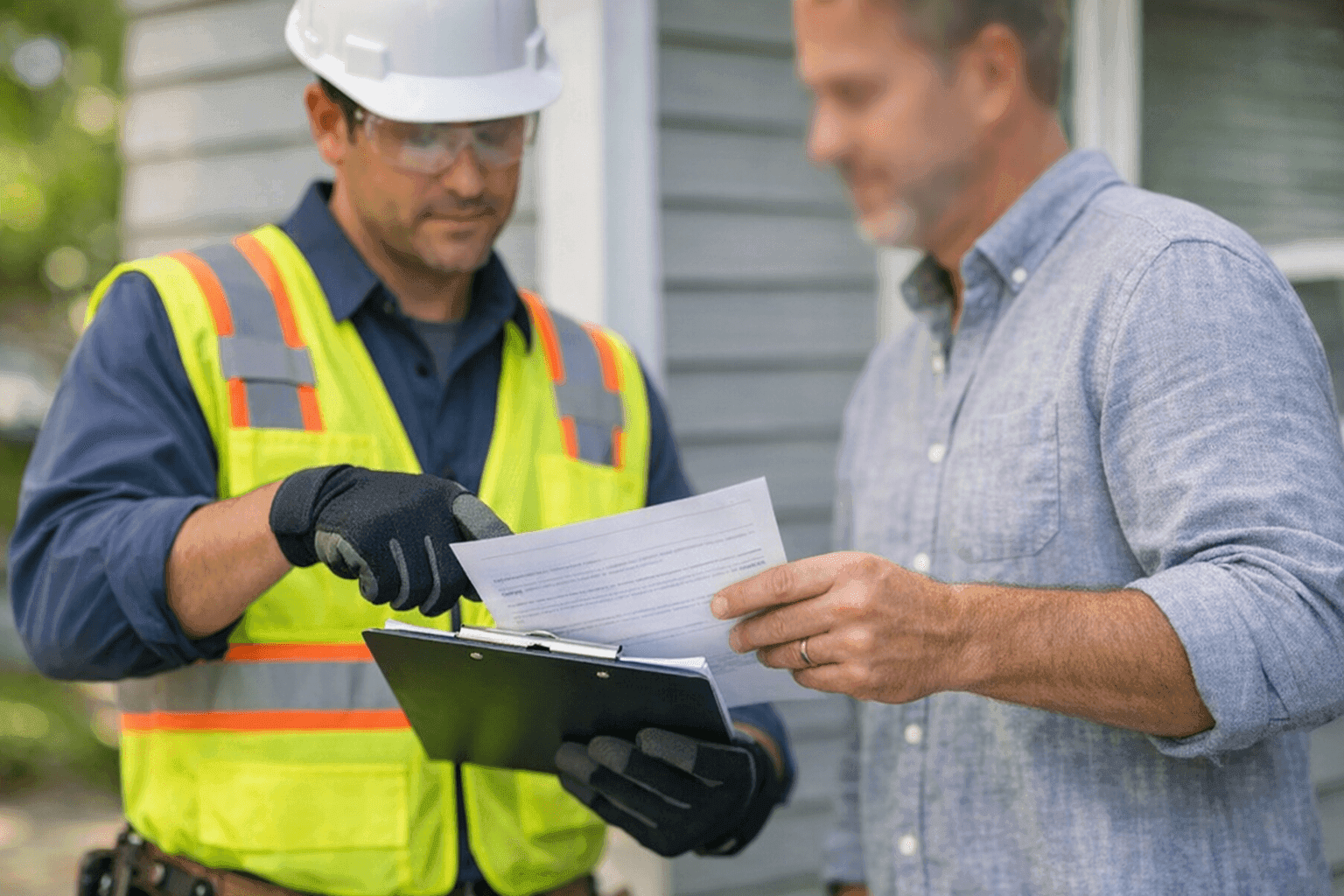
Starting a siding project is a big decision, whether it’s a simple Siding Flashing Repair near you or a full siding replacement. The choices you make now ripple through your home’s look, comfort, and even its long-term value. But the estimate appointment? That’s where it all begins—and where asking the right questions puts you in control.
At Kroll Siding, we know the first step can feel overwhelming. Too many choices. Too many unknowns. Let’s break it down into simple, practical questions you can use with any siding contractor, so you walk away empowered, not confused.
Why Your Siding Estimate Appointment Matters
Your estimate sets the tone for your entire project. It’s the handshake before the marathon, the blueprint before the first nail hits wood. This meeting gives you the chance to clarify expectations, uncover hidden costs, and make sure the company’s approach aligns with your home’s needs.
A well-prepared homeowner is less likely to face surprises. You’ll sidestep common headaches, like blown timelines or vague warranty terms. Think of it as mapping your route before a road trip—no one likes getting lost halfway through.
Must-Ask Questions About Siding Materials
Not all siding is created equal. Some materials last for decades; others might fade, crack, or warp with the seasons. Ask your estimator:
- What siding materials do you recommend for my climate and home style?
- Are these materials energy-efficient or eco-friendly?
- How do they hold up to storms, pests, and sun?
- Can you show me samples or completed homes using these products?
Discussing options like vinyl, fiber cement, stucco, and metal helps you balance cost, durability, and curb appeal. The U.S. Department of Energy recommends materials with good insulation value—so don’t forget to ask about that, too.
Understanding Labor and Installation
Labor can make or break your project. Even the best siding fails if it’s installed poorly. Get clear answers on:
- Who will be working on my home? Are they employees or subcontractors?
- How is your crew trained in safety and building codes?
- What’s the daily work schedule?
- How will you protect my landscaping and property during installation?
Look for contractors who follow OSHA safety standards and local building codes. A professional company should be transparent about their team and process.
Timelines: From Start to Finish
You want to know when to expect noise, dust, and workers around your property. Ask these straight-up questions:
- When can you start, and how long will the project take?
- What could delay the job—weather, supply chain, or permitting?
- How do you handle unexpected setbacks?
A realistic timeline is like a weather forecast: It may shift, but you should have a clear idea of what to expect.
Siding Warranty: What’s Covered, What’s Not
Warranties are the safety net under your investment. Don’t be shy—ask about:
- What does the manufacturer’s warranty cover? How long does it last?
- Is there a separate workmanship warranty?
- What voids the warranty?
- Who handles warranty claims if something goes wrong?
The Federal Trade Commission advises reading all warranty details carefully. Get warranty terms in writing, and ask for real-world examples of past claims.
The Contract: Essentials You Can’t Skip
Your contract is your shield. Before you sign, make sure it includes:
- A clear scope of work (what’s included, what’s not)
- Exact materials to be used (brand, color, type)
- Payment terms and schedule
- Start and finish dates
- Cleanup and disposal details
- Change order process
If anything’s missing or unclear, ask for clarification. Never accept vague promises—get it in black and white.
Red Flags: What Should Make You Pause? 🚩
Not every contractor is upfront. Watch out for:
- Pressure to sign on the spot
- Reluctance to answer questions or provide references
- “Too good to be true” pricing
- No proof of insurance or license
- Vague answers about materials or timelines
If you spot any of these, it’s okay to step back. Your home deserves a pro who’s as transparent as their windows.
Siding Inspection: What the Pros Look For
Before giving an estimate, a reputable contractor will inspect your existing siding closely. They’ll check for:
- Water damage or rot behind existing panels
- Signs of mold, pests, or insulation issues
- Condition of flashing, trim, soffits, and gutters
- Storm or impact damage
This inspection helps uncover hidden problems that could affect your quote. For a thorough assessment, consider a separate siding inspection before any big project.
Cost Factors: What Drives the Price Up (Or Down)
Siding costs can swing wildly. Here’s what usually affects the bottom line:
- Siding material and brand
- Home size and design complexity
- Labor and crew size
- Removal and disposal of old siding
- Repairs to the underlying structure
- Local permit fees
If an estimate seems high or low, ask for a breakdown. Transparency now can prevent sticker shock later.
How to Handle Changes and Surprises
Even with the best prep, surprises happen—hidden rot, sudden storms, or supply hiccups. Ask:
- How do you communicate unexpected findings?
- What’s the process (and cost) for handling change orders?
- Will you stop work for homeowner approval if something big comes up?
Clear communication means fewer headaches—and no runaway budgets.
Siding and Safety: Don’t Overlook the Basics 🛠️
Jobsite safety protects everyone, including your family. Make sure your contractor:
- Follows OSHA and local safety codes
- Uses fall protection for high work
- Keeps tools and debris secure
- Has a plan for kids and pets on site
Home construction can be hazardous. A responsible crew keeps risks to a minimum.
When Should You Call a Pro—And When Can You DIY?
Some siding tasks, like cleaning or a quick caulk job, might be weekend projects. For flashing repair, weatherproofing, or full replacement, experience matters. Cutting corners with DIY can lead to water leaks, voided warranties, and expensive fixes down the road. If you’re unsure, ask your estimator what’s safe for you to handle—and what’s better left to the pros.
Real-World Timeline: What to Expect Day by Day
Most siding jobs follow a rhythm:
- Delivery of materials
- Prep and removal of old siding
- Inspection and repair of underlying walls
- Installation of new siding, flashing, and trim
- Final walkthrough, cleanup, and touch-ups
Your estimator should outline each step and flag any parts that may cause noise or disruption. Planning ahead helps you keep life running smoothly.
Weather, Seasons, and Your Siding Project
Timing matters. In colder climates, winter can slow installation or affect how materials set. Wet or windy conditions may delay your project. Ask about seasonal best practices—an experienced contractor will plan around weather and explain how it might impact your job.
Color, Style, and Curb Appeal
Siding isn’t just about protection. It’s your home’s suit and tie, the first thing neighbors see. Ask for a siding color consultation to explore options that fit your taste and neighborhood vibe. Many homeowners find value in guided choices—especially with so many new products on the market.
The Value of Siding Consultation
A siding consultation gives you access to tailored advice, material samples, and a clear project roadmap. It’s a chance to ask all the questions above—and a few more you haven’t even thought of yet.
Emergency Siding Services: When Time Is of the Essence ⚡
Storms, fallen branches, or sudden leaks can’t wait. Ask your contractor:
- Do you offer emergency repairs?
- How quickly can you respond?
- What temporary measures do you use to prevent further damage?
Even if you don’t need it now, knowing your options is peace of mind when the unexpected hits.
Common Mistakes to Avoid
- Not getting multiple estimates
- Ignoring the fine print in your contract
- Skipping the siding inspection
- Choosing based on price alone
- Forgetting to ask about insurance
Do your homework. A little preparation goes a long way.
Local Siding Resources
For code requirements and safe installation, check resources like the International Residential Code (IRC) and your local building department. Quality siding companies stay up-to-date on all regulations.
And if you’re looking for trusted siding contractors in Omaha, our team is ready to help you start your project with confidence.
Ready for a Smooth Siding Project?
You don’t need to be an expert—you just need the right questions. Take these tips to your estimate appointment, and you’ll be one step closer to siding that’s built to last and designed for your life.
Call Kroll Siding now — or reach us anytime at 888-892-6286 .