What to Expect with New Construction Siding
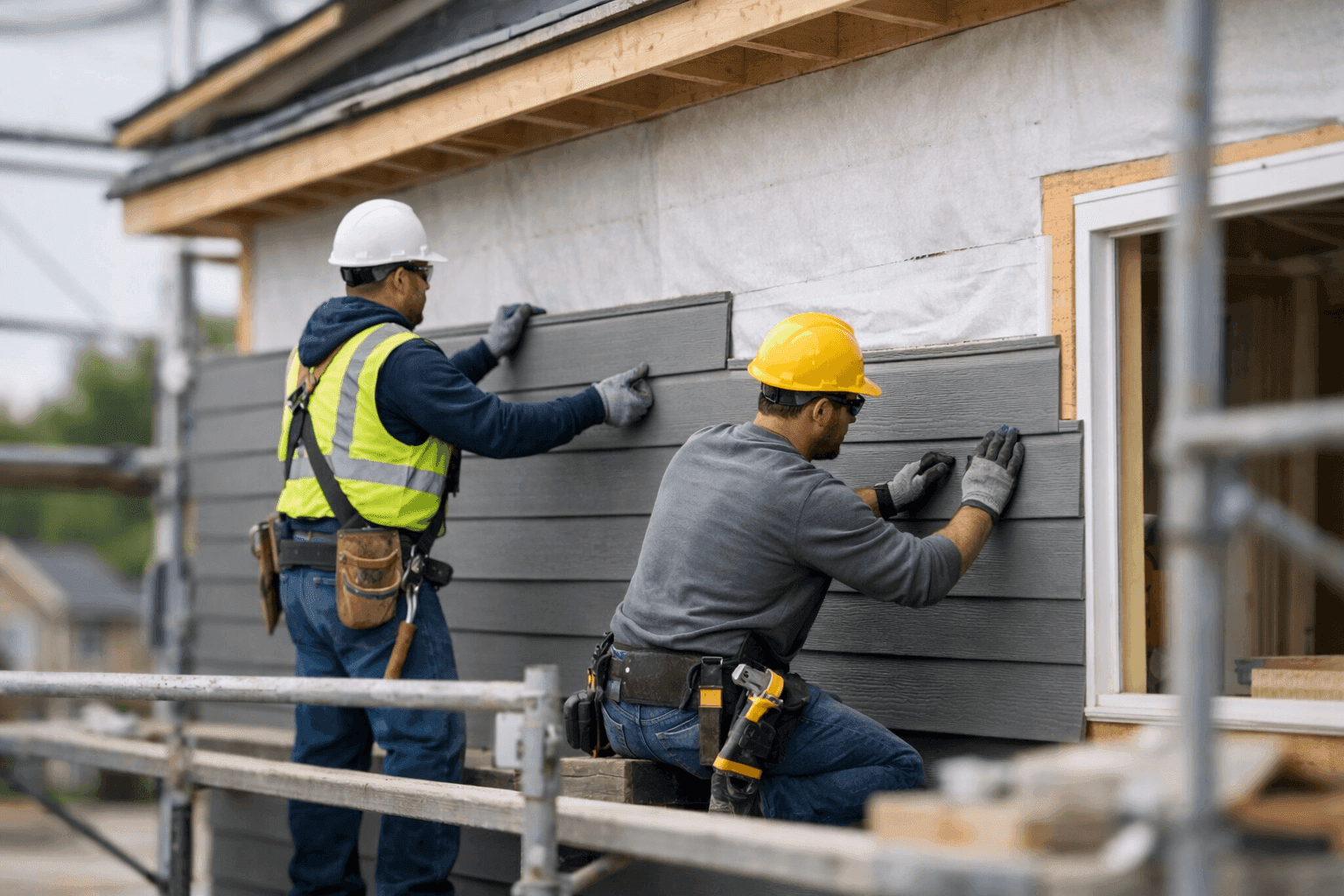
Building a new home is a blend of exhilaration and nerves. There are endless details to juggle, and siding is one of those decisions that truly shapes the look, feel, and performance of your home for years to come. At Kroll Siding, we know that understanding what’s ahead removes stress and helps you make the best call for your investment.
Whether you’re a first-time homeowner or a seasoned builder, knowing what happens during each stage of new construction siding puts you in the driver’s seat. From picking the right materials to the final walkthrough, let’s break down exactly what to expect—and how to make it smooth from day one.
Planning Your Siding Project 🏡
Before a hammer swings, proper planning lays the foundation. Siding is more than just an exterior shell—it impacts insulation, weather resistance, curb appeal, and even resale value.
Key questions to answer:
- What’s your budget, both short-term and long-term?
- Does your community or HOA require certain materials or colors?
- Are there local climate concerns, like heavy snow or summer storms?
- Do you plan to stay for decades, or is resale in the near future?
Work with your builder and siding contractor early. At Kroll Siding, we coordinate closely with your construction timeline—ensuring our team is ready when the site is prepped, not before or after.
Materials for New Homes: Choices That Matter
Material selection is like choosing a winter coat or a rain jacket. It needs to look good, fit well, and protect you from what’s outside.
Popular siding materials for new construction:
- Vinyl Siding: Affordable, low maintenance, and available in many colors. Great for families who want flexibility.
- Fiber Cement: Tough as old boots and resists fire, pests, and weather. A favorite for durability.
- Metal Siding: Modern look, excellent for energy efficiency and longevity.
- Wood Siding: Classic charm and natural warmth, but needs regular maintenance.
- Stucco: Ideal for certain regions, offering a seamless look and good insulation.
Get a siding material consultation to weigh the pros and cons, factoring in local building codes and energy efficiency standards (U.S. Department of Energy is a solid resource for insulation values).
Siding Color and Design: The Art of Curb Appeal
Color isn’t just a style choice—it can also impact energy bills and compliance with neighborhood guidelines. Lighter shades reflect heat, while deeper hues make a statement. Kroll Siding offers siding color consultation to help you visualize options before installation starts.
Quick tip: Ask about color samples and test them on your site. Sunlight can shift color perception dramatically.
Timeline Expectations: How Long Will It Take?
Every project is unique, but here’s a general flow for new construction siding:
- Site Prep: 1–3 days (depends on weather and foundation work)
- Material Delivery: 1–2 days
- Installation: 5–14 days, depending on home size and material complexity
- Touch-Ups and Inspection: 1–2 days
Weather delays, permitting, and unexpected site issues can stretch timelines. Clear communication with your builder keeps surprises to a minimum.
Site Preparation: Getting the Stage Set
Before siding goes up, the site gets prepped—think of it as setting the stage for a play.
- The house wrap or moisture barrier is installed to protect framing from water.
- Windows and doors are flashed to prevent leaks.
- Trim and molding are measured and prepped for a tight, professional fit.
A good siding crew keeps the site clean and organized, reducing the risk of accidents and delays.
Step-by-Step Installation: What Happens First?
Here’s what you’ll see when the installation begins:
- Delivery and Storage: Materials arrive and are stored safely, away from moisture.
- Old Siding Removal (if needed): Not required for new homes, but crucial if you’re replacing existing siding.
- Flashing and Caulking: Edges, windows, and corners get special attention to block future leaks.
- Panel Installation: Siding is installed with careful attention to alignment and fastener spacing (check with the International Residential Code for best practices).
- Vents, Soffits, and Fascia: These components support ventilation and keep critters out.
- Trim and Moldings: The finishing touches that make the whole project look sharp.
Safety First: Quick Safety Checklist
Safety isn’t just for the pros. It’s peace of mind for your whole family.
- Confirm that your siding crew uses scaffolding or ladders properly (OSHA guidelines apply).
- Materials should be handled with protective gear, especially fiber cement (dust masks, gloves).
- The work area needs to be clear of debris, especially if kids or pets are nearby.
Working with Your Builder: The Importance of Coordination
Siding doesn’t happen in a vacuum. It’s woven into the overall homebuilding schedule.
- Communicate timeline expectations early—your builder, siding contractor, and other trades (roofing, windows) need to stay in sync.
- Share architectural plans and elevations for accurate measurements.
- Plan electrical and plumbing penetrations before siding goes up.
Kroll Siding works closely with builders to smooth out bumps and keep everything moving forward.
Siding Flashing Repair Near You: Preventing Future Problems
Flashing is your home’s raincoat—it channels water away from vulnerable seams and corners.
- Proper flashing installation keeps rain, snow, and wind at bay.
- Poor flashing can lead to costly repairs down the road.
If you ever notice leaks, call for a Siding Flashing Repair to nip problems in the bud.
Weatherproofing and Insulation: Building a Fortress
Modern siding isn’t just about looks. It’s your first line of defense against the elements.
- Ask about water-resistant barriers and breathable house wraps.
- Consider adding insulation during siding installation for better energy efficiency.
- Seal all seams and joints with high-quality caulking.
Consult local building codes for minimum insulation requirements—Energy.gov provides helpful guidance.
Common Mistakes and How to Avoid Them
Even pros can slip up. Here’s what to watch for:
- Rushing the prep work or skipping moisture barriers
- Misaligned panels or uneven trim
- Inadequate ventilation around soffits and eaves
- Ignoring manufacturer installation instructions
- Failing to coordinate with other trades
Ask your contractor to review each step before moving on. A second set of eyes can catch costly mistakes.
When It’s an Emergency: Fast Response Matters
Sometimes, storms or accidents damage exterior walls before move-in. If your new home faces sudden siding damage, Kroll Siding offers emergency repairs to protect your investment from water intrusion and further harm.
Siding Maintenance: Protecting Your Investment
Once the dust settles, a little care goes a long way.
- Clean siding every spring and fall to remove dirt and mildew.
- Inspect caulking and flashing for cracks or wear.
- Schedule regular siding inspections—especially after storms or harsh weather.
Well-maintained siding can last decades, boosting both home value and peace of mind.
Warranty and Industry Standards: What to Know
Quality siding isn’t just about installation. It’s about standing behind the work.
- Ask for manufacturer warranty details (coverage varies by material and brand).
- Ensure your contractor follows ANSI and ASTM installation standards.
- Request documentation and keep it with your home records.
If you ever need a repair, having these details handy speeds up service and insurance claims.
Final Inspection: The Last Lap
Before the project wraps up, a thorough inspection ensures everything is tight, clean, and up to code.
- Walk the perimeter with your contractor.
- Check corners, seams, and trim for gaps or rough edges.
- Confirm proper ventilation and weatherproofing.
Request a final report or punch list. This helps catch minor issues before they become headaches.
Seasonal Considerations: Timing Is Everything
Some times of year are better for siding work. Spring and fall offer milder temperatures, making installation easier and materials more flexible. Avoiding extreme heat or freezing conditions can help prevent warping or cracking.
Plan your project timeline accordingly, and discuss options with your builder.
Frequently Asked Questions
Q: Can I live in my home during siding installation?
A: With new construction, installation typically happens before you move in. If you’re replacing siding later, most work can be done while you’re home, though there may be some noise and dust.
Q: How do I choose the right siding for my climate?
A: Consult with a professional for a siding material consultation and reference local building codes.
Q: Do I need to paint or seal my new siding?
A: Some materials (like fiber cement or wood) may need painting or sealing. Vinyl and metal are usually low-maintenance.
Ready to Start? Your Next Steps
New construction siding is a big decision, but it doesn’t have to be overwhelming. With careful planning, thoughtful material selection, and a team that knows the ropes, your home’s exterior will shine for years.
If you’re building or renovating in the Bozeman area, check out our siding services in Bozeman for high-quality new construction siding and more.
Call Kroll Siding now — or reach us anytime at 888-892-6286 .