Why Siding Ventilation Matters for Your Home
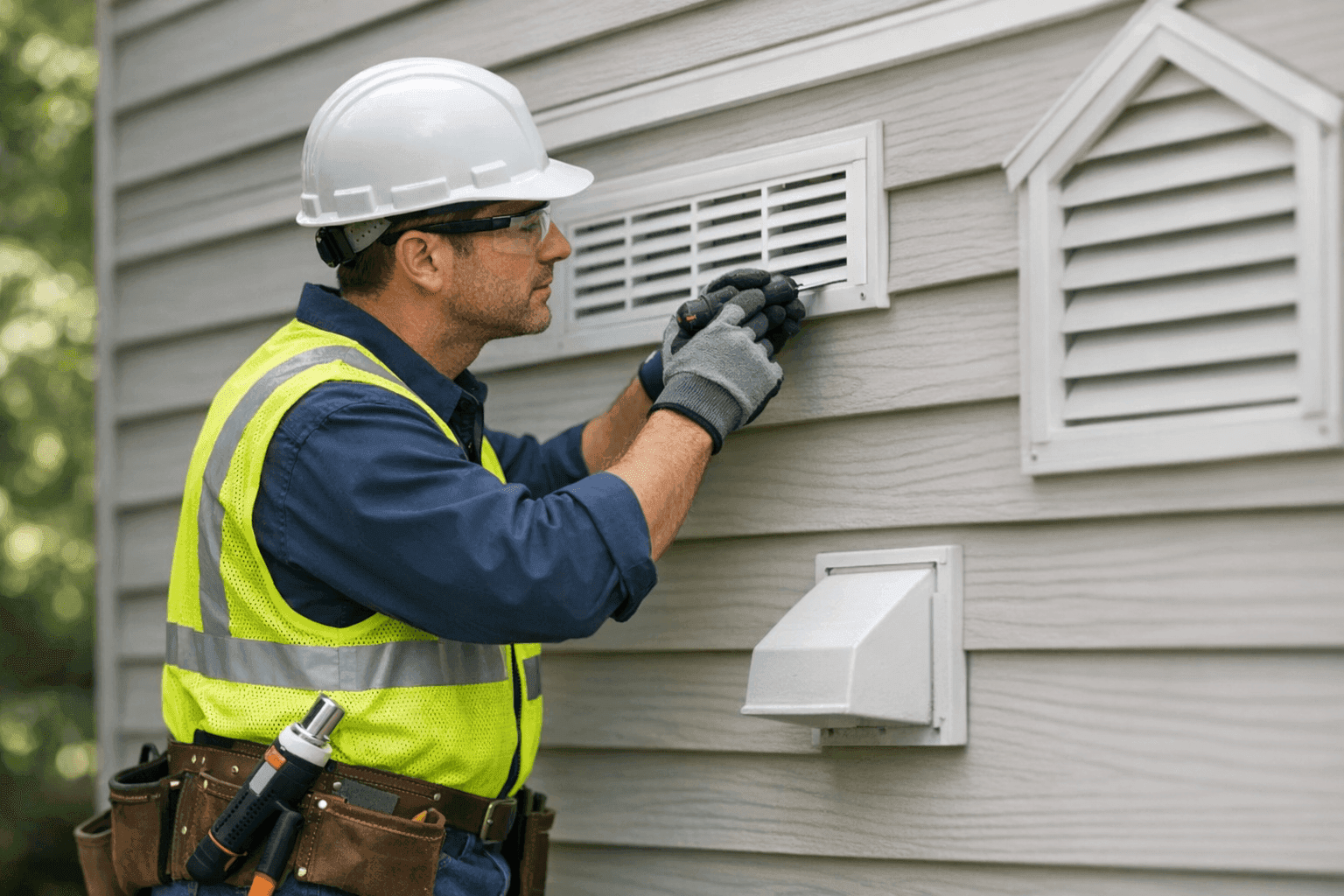
When your home feels stuffy, damp, or a bit off, the problem might be hiding right behind your siding. Many homeowners focus on curb appeal or siding color but overlook what’s happening underneath—all the places you can’t see. Siding ventilation isn’t flashy, but it’s a silent hero. It keeps your walls dry, your energy bills down, and your family comfortable.
At Kroll Siding, we’ve seen what happens when siding ventilation goes wrong. Mold. Peeling paint. Warped boards. By the time you spot the signs, the damage has already started. Let’s dig into why siding ventilation matters, and what you can do to keep your home safe.
How Siding Ventilation Works 🏡
Think of your home as a raincoat. Just like a raincoat needs to breathe to keep you dry inside, your siding needs airflow to let trapped moisture escape. Siding ventilation uses small, hidden gaps and vents to move air behind your exterior walls. This prevents condensation from building up between your siding and your home’s structure.
When siding is installed—especially for fiber cement, vinyl, or wood—professionals leave tiny spaces in the right places. These gaps work with vents in soffits, ridges, or trim to create a steady, invisible breeze. It’s like opening a window on a humid day, but all year long, and without the bugs.
Why It’s Required
Building codes across the U.S. (like the International Residential Code Section R703) require certain ventilation practices for siding, especially in moisture-prone areas. These aren’t just rules—they’re standards proven to keep homes drier and safer.
The Hidden Risks of Poor Siding Ventilation
Imagine stuffing a wet towel in a sealed bag. It gets musty, right? That’s what happens inside your wall when siding can’t breathe. Here’s what can go wrong:
- Moisture damage: Water seeps in and stays put. Wood rots, metal rusts, and insulation turns to mush.
- Mold and mildew: Dark, damp spaces are perfect for mold growth. This isn’t just ugly—it can harm your health.
- Warped or cracked siding: Trapped moisture leads to swelling, which pushes boards out or makes them split.
- Sky-high energy bills: Damp insulation loses its power. Your heater or AC has to work overtime.
Signs Your Siding Ventilation Needs Help
Not sure if your siding is “wheezing”? Look for these red flags:
- Paint peeling or bubbling on exterior walls.
- Musty or damp smells, especially after rain.
- Siding boards that bow, warp, or pull away from the house.
- Spots of mold or mildew around windows, doors, or soffits.
- Ice dams in winter, which often mean poor airflow in wall and roof areas.
If you notice any of these, it’s time to act. A professional siding inspection can spot issues before they become disasters.
Common Homeowner Mistakes (and How to Avoid Them)
It’s easy to miss the mark when it comes to siding ventilation. Here’s where homeowners slip up:
- Sealing every gap: Some gaps are designed for airflow. Don’t caulk or paint over ventilation spaces.
- DIY siding projects: Installing siding without leaving proper ventilation channels is a recipe for trouble.
- Ignoring soffits and fascia: Blocked or missing vents here can choke off the whole system.
- Skipping maintenance: Clogged gutters, piles of leaves, or dirt can trap moisture and block airflow.
Tip: Always consult with a professional before making changes to your siding or attic ventilation.
Best Solutions for Different Siding Types
Every home is unique. The right ventilation fix depends on your siding material:
Vinyl Siding
- Built-in channels: Modern vinyl siding often comes with vented panels or starter strips.
- Professional installation: Properly fitted panels let air flow without letting in pests.
Fiber Cement Siding
- Rainscreens: Thin gaps or mesh behind panels create a drainage and airflow space.
- Special fasteners: These help keep panels snug but not airtight.
Wood Siding
- Breathable underlayments: These let vapor escape but block water.
- Gaps at trim: Hidden but critical for airflow, especially at the bottom of walls.
Metal and Stucco Siding
- Weep holes and vents: Small, strategic openings channel water and air out.
- Flashing repair: Keeps water from sneaking in at seams and joints.
If you’re unsure, ask a pro about custom siding solutions that fit your home and climate.
What Pros Do on Arrival
Wondering what happens during a professional siding ventilation assessment? Here’s a quick snapshot:
- Exterior walkaround: Checking for visible signs—warped panels, peeling paint, gaps.
- Interior check: Looking for moisture or mold on inside walls.
- Vent and soffit review: Making sure airflow paths aren’t blocked.
- Moisture meter tests: Measuring hidden dampness behind walls.
- Building code check: Reviewing your setup against local requirements.
Pros don’t just fix what’s broken—they reveal hidden problems and offer solutions that last.
Quick Safety Checklist for Homeowners
Before you start poking around your siding, keep safety in mind:
- Wear gloves and safety glasses—hidden nails and debris are common.
- Don’t climb ladders alone.
- If you spot signs of mold, skip DIY and call a professional—mold can be hazardous to your health.
Prevention & Maintenance for Lasting Protection
A few simple habits keep your siding ventilation healthy:
- Clean gutters and downspouts every season.
- Trim back bushes and trees to let air circulate.
- Check soffit and fascia vents for blockages.
- Schedule a siding checkup every 2-3 years, or after big storms.
Small steps now save thousands in repairs later.
Timeline & Disruption: What to Expect
Worried that ventilation fixes will upend your life? Most solutions are quick and cause minimal mess:
- Basic vent cleaning: 1-2 hours.
- Retrofitting vents or rainscreens: 1-2 days, depending on home size.
- Major repairs: May take longer, but pros work in sections to limit disruption.
Kroll Siding’s team keeps your home tidy and routines intact.
DIY vs. Call a Pro
Some things you can handle. Clearing gutters? Go for it. But when it comes to adding or repairing vents, leave it to the experts. Professionals know local building codes and have the right tools for hidden moisture problems.
Think of it like car brakes: sure, you can top up the fluid, but don’t try a full replacement without training.
When It’s an Emergency
Certain signs mean you should call right away:
- Water leaking inside after rain.
- Large sections of siding pulling away from the house.
- Mold growing fast and spreading.
Don’t wait. Emergency siding services are made for moments like these.
Seasonal Considerations
Michigan freeze-thaw cycles. Summer storms. Each season brings its own risks:
- Winter: Watch for ice dams and frozen vents.
- Spring: Heavy rain finds weak spots.
- Summer: Heat and humidity test your home’s ability to breathe.
- Fall: Leaves and debris clog up airflow.
Schedule inspections before and after the toughest seasons.
FAQ: Siding Ventilation
Q: Is siding ventilation the same as attic ventilation? No, but they work together. Siding ventilation protects your walls; attic ventilation helps your roof.
Q: Will better ventilation really lower my energy bills? Yes! When insulation stays dry, your HVAC system runs more efficiently.
Q: Can all siding types be retrofitted for better ventilation? Almost always, yes. Pros can add vents, rainscreens, or breathable layers to most exteriors.
Building Codes & Long-Term Benefits
Local building codes—like the International Residential Code and state-level rules—aren’t there just to check a box. They protect your investment, your comfort, and your health. Well-ventilated siding lasts longer, looks better, and keeps your family safer.
A well-ventilated home isn’t just a code requirement—it’s a smart choice. Over time, proper airflow means fewer repairs, better energy efficiency, and peace of mind.
Next Steps: Protect Your Home
Worried about your siding? Don’t guess—get a professional assessment. Kroll Siding can help with everything from siding ventilation solutions to complete siding inspection and repair.
Explore siding options for Meridian homes to find the best fit for your needs.
Call Kroll Siding now — or reach us anytime at 888-892-6286 .