Winter Siding Protection: Tips for Freezes and Snow
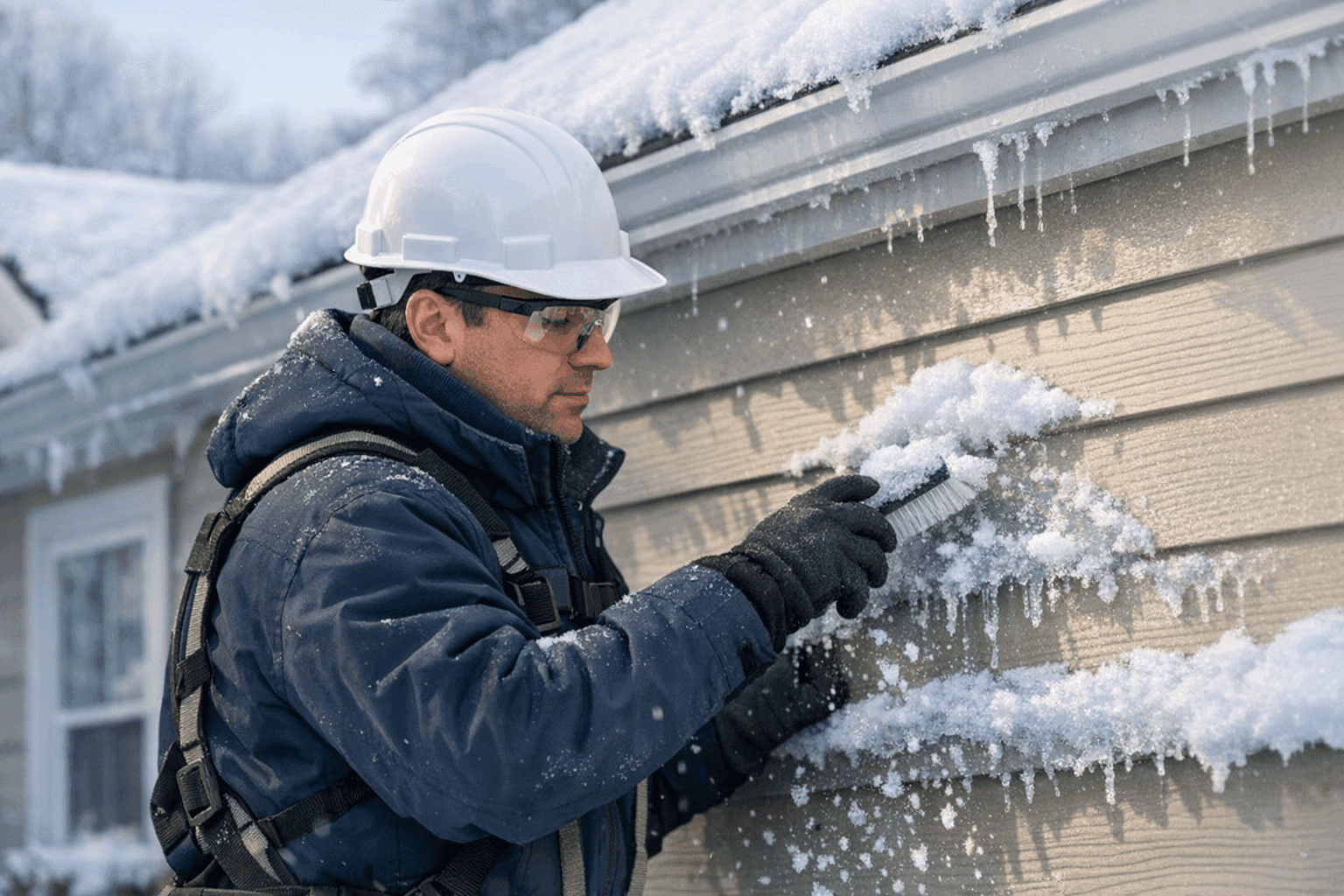
Winter sneaks up on your siding like a silent frost. One day, your home’s exterior looks sturdy and bright. The next, icicles hang like warning signs, and snow piles up, threatening leaks, cracks, and costly repairs.
At Kroll Siding, we know the feeling. That’s why we’re sharing no-nonsense tips for winter siding protection—so your home stays warm, dry, and worry-free, no matter what’s in the forecast.
What Cold Weather Really Does to Siding
Freezing temperatures don’t just nip at your fingers—they batter your home’s armor. Siding takes the worst of it: expanding, contracting, sometimes cracking. Snowmelt turns to water, which seeps into tiny gaps. When temperatures plunge again, trapped moisture freezes, expands, and pries those gaps wider. Over time, what starts as a hairline split can become a gaping wound in your home’s first line of defense.
Quick Safety Checklist for Winter Siding Care
Before diving into repairs or upgrades, pause. Safety first:
- Always use a sturdy ladder on stable ground.
- Wear gloves—vinyl and metal siding can be slippery and cold.
- Don’t attempt high-up fixes in icy or windy conditions.
- Avoid power tools outdoors during snow or sleet.
- Know when to call a professional.
Ice Dams: The Silent Siding Destroyer 🧊
Ice dams love to form on unprepared homes. When warm air escapes through your attic, it melts snow on your roof. Water trickles down, then refreezes at the eaves, creating a dam. Water backs up, slipping behind siding and under trim. The result? Rot, mold, and interior leaks.
How to Prevent Ice Dams:
- Ensure your attic is properly insulated. The U.S. Department of Energy recommends at least R-38 insulation in attics for most climates.
- Seal attic bypasses and gaps where warm air could escape.
- Clear gutters and downspouts before the first snow.
- Schedule a siding inspection to catch hidden trouble before it snowballs.
Emergency Siding Repairs: What to Do When Disaster Strikes
A sudden blizzard. A branch crashes down. Now you’ve got a siding emergency on your hands. Don’t panic—act swiftly, like patching a tent in a storm.
- First, assess the damage from the ground.
- Cover exposed areas with heavy-duty plastic or plywood.
- Avoid DIY fixes in dangerous conditions.
- Call for professional help—emergency siding services can prevent further water damage.
Siding Flashing Repair Near You: Why It Matters
Flashing is the unsung hero under your siding. It directs water away from joints, windows, and doors. In winter, damaged or missing flashing means melting snow goes exactly where you don’t want it.
- Inspect flashing around windows, doors, and rooflines.
- Replace or repair loose sections.
- Caulk gaps with a high-quality exterior sealant rated for freezing temperatures.
Insulation and Caulking: Your Siding’s Winter Blanket
Think of insulation as a wool sweater for your home. It keeps warm air in and cold air out. But gaps in your siding? That’s like wearing a sweater with holes.
Where to Check:
- Around window and door frames.
- At corners and seams.
- Along foundation lines.
Use weatherproof caulk to seal cracks. For larger gaps, foam backer rods provide extra support before caulking. The International Residential Code (IRC) gives guidance on proper insulation and sealing—always follow local building codes.
Snow and Ice Removal: Gentle Tactics Only
Don’t attack snow like you’re shoveling a driveway. Siding is tough, but it’s not invincible. Scraping with metal tools can gouge or crack panels.
Instead:
- Use a soft broom or brush to sweep snow away.
- Clear snow from around the base of your home to prevent moisture buildup.
- Check that vents and soffits stay unblocked.
Maintenance Reminders for Every Frosty Month
Winter siding care isn’t a one-and-done task. Make it a routine—like checking the oil in your car.
- Inspect siding after heavy snow or wind.
- Look for warping, discoloration, or new gaps.
- Schedule professional cleaning if you spot mold or mildew.
When to DIY and When to Call Kroll Siding
Some tasks—like removing light snow—are safe for homeowners. But when it comes to climbing ladders in winter or repairing damaged siding, calling a pro is the smart move. We have the right gear, materials, and know-how to handle winter’s worst.
Siding Material Matters: Vinyl, Fiber Cement, and More
Not all siding braves the cold equally. Vinyl resists moisture but can crack if hit or flexed in freezing weather. Fiber cement holds up well but needs proper painting and sealing. Metal siding shrugs off snow but may dent under heavy ice.
If you’re unsure how your siding will fare, ask Kroll Siding for a siding-weatherproofing consultation.
Gutters and Downspouts: The Highway for Meltwater
Properly functioning gutters are your siding’s best friend in winter. Clogged gutters cause water to overflow, freeze, and work its way behind siding panels.
Prep Tips:
- Clean gutters before the first frost.
- Install gutter guards if you have nearby trees.
- Check for leaks or sagging sections.
Signs Your Siding Is Losing the Winter Battle
Don’t wait until spring to notice damage. Watch for these red flags:
- New drafts or cold spots inside.
- Bubbling or peeling paint.
- Siding panels that look warped, bulged, or loose.
- Unexplained water stains on interior walls.
Timeline and Disruption: What to Expect
Most winter siding protection tasks can be done in a day or two. Major repairs might take longer, especially if materials are backordered or weather delays work. At Kroll Siding, we keep disruption minimal—always communicating next steps, so you’re never left out in the cold.
Common Mistakes Homeowners Make (and How to Avoid Them)
- Waiting until the first snow to check siding.
- Using salt or harsh chemicals to melt ice near siding—this can corrode metal and damage finishes.
- Skipping annual inspections.
- Forgetting to clear snow from soffits and vents.
Frequently Asked Questions About Winter Siding Care
Q: Is it safe to power wash siding in winter?
A: No. Water can freeze in cracks, making things worse.
Q: How often should I inspect my siding in winter?
A: After every major storm, plus a thorough check at the start and end of the season.
Q: Can I paint or caulk in cold weather?
A: Only use products rated for low temperatures—read labels carefully.
Siding Weatherproofing: The Final Layer of Protection
Weatherproofing isn’t just for new construction. Regular maintenance—sealing, caulking, re-insulating, and flashing repair—keeps your home safe and dry year after year. For homeowners searching for “Siding Flashing Repair near you,” make sure you choose a team that understands the unique challenges winter brings.
For Bowling Green Homeowners: Winter Siding Solutions
If you’re looking for trusted siding services in Kentucky, check out our Bowling Green siding repair and installation experts for all your winter protection needs.
Don’t wait for the thaw to reveal costly surprises. Protect your home this season with professional siding care.
Call Kroll Siding now — or reach us anytime at 888-892-6286 .