Wood Siding Installation: Natural Beauty, Lasting Value
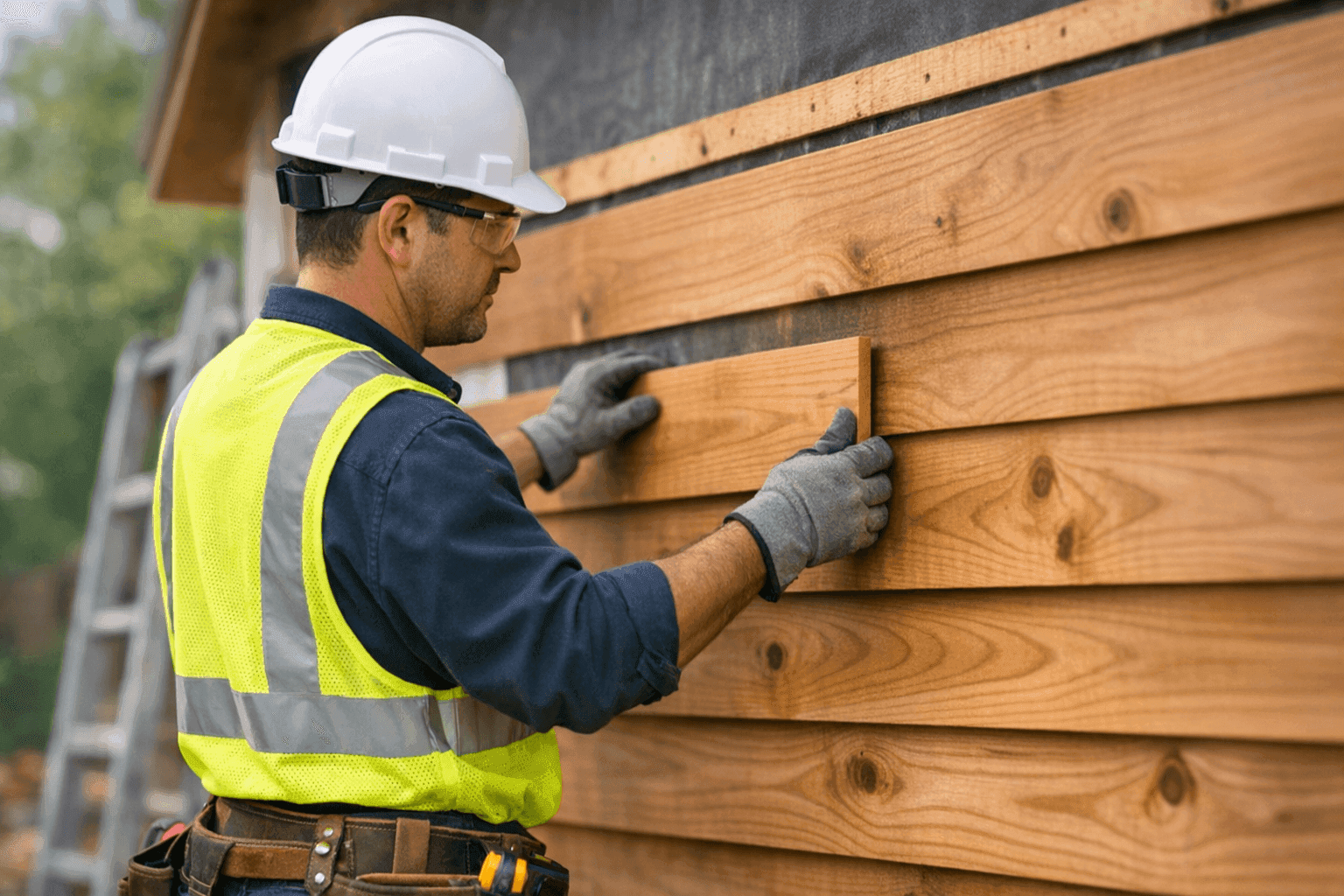
Wood siding is more than an exterior shell. It’s a statement. The warmth and character of real wood has a way of turning a house into a home—one that draws the eye and welcomes you in.
But beauty is just the beginning. Proper installation and care matter. Without them, even the finest cedar can fade, warp, or invite trouble. At Kroll Siding, we help homeowners choose, install, and maintain wood siding that lasts. If you’re weighing your next project or already dreaming in grain patterns, you’re in the right place.
Why Choose Wood Siding?
Wood siding offers a look that other materials try to imitate—but never quite match. It’s tactile. It ages gracefully, developing a unique patina over time. Wood also insulates well, helping keep your home comfortable through the seasons.
Key reasons homeowners pick wood siding:
- Natural beauty: Real wood grain, rich colors, and authentic details.
- Customizable: Paint, stain, or finish to fit your vision. Refinish as trends change.
- Sustainable sourcing: Many wood products now come from responsibly managed forests.
- Repairable: Unlike vinyl or metal, individual boards can be fixed or replaced.
Wood Siding Varieties 🌲
Choosing the right type is step one. Each species and style has its own personality (and price tag).
Popular types:
- Cedar: Naturally resistant to rot and insects. Holds up well in wet climates.
- Redwood: Dense, beautiful, and stable. Often used for high-end projects.
- Pine: Affordable, paint-friendly, but needs treatment for durability.
- Douglas Fir: Strong and versatile. Great for board-and-batten or lap styles.
Common profiles:
- Clapboard: Classic overlapping horizontal boards.
- Shingles/Shakes: Small, rectangular pieces for a textured look.
- Board-and-Batten: Wide boards with narrow battens covering seams.
- Tongue-and-Groove: Tight fit, modern or traditional appearance.
Tip: Ask about wood from FSC-certified sources for peace of mind. Sustainable practices matter.
Installation Steps: What Goes Into a Lasting Job
Wood siding installation isn’t a paint-by-numbers project. A careful hand and sharp eye make all the difference.
Key steps:
-
Inspection and prep
Old siding is removed. The wall sheathing is checked for damage, rot, or pests. Flashing and weather barriers go up to keep water out. -
Measuring and layout
Each board is measured twice, cut once. Careful alignment keeps lines straight and gaps even—a crooked start throws everything off. -
Moisture protection
Siding must be installed over a breathable, water-resistant barrier. All joints, windows, and doors get flashing. Referencing the International Residential Code (IRC) can help ensure the right details. -
Attachment
Stainless steel nails (or corrosion-resistant fasteners) are used to prevent streaks or rust. Boards are nailed into studs, not just sheathing. Expansion gaps are left at windows and corners. -
Finishing touches
Caulking, sealing, and sometimes painting or staining seal the deal. Trim is added at corners, doors, and windows for a polished look.
Want to know more about professional siding flashing repair near you? See our wood siding installation service for details.
Quick Safety Checklist Before You Start
- Wear gloves and protective glasses when cutting or nailing.
- Use ladders or scaffolding safely—keep them on solid, level ground.
- Be aware of lead paint if removing old siding on pre-1978 homes.
- Dispose of debris responsibly.
DIY or Call a Pro?
Installing wood siding isn’t like painting a fence. The margin for error is slim, and mistakes can lead to water damage or high energy bills. A professional installer:
- Follows local building codes and best practices.
- Knows how to spot trouble before it starts.
- Has the tools and crew to finish the job safely—and on time.
That said, confident DIYers with the right tools and some experience can tackle small repairs or siding painting. If you’re unsure, it’s worth reaching out for a consultation.
What Happens When the Pros Arrive
Our team at Kroll Siding starts with a walk-around. We look for signs of rot, gaps, or pest activity. We’ll talk through your design goals and timeline. Then, we measure, plan, and protect landscaping before any boards come down.
On installation day, expect:
- A tidy, respectful crew.
- Regular communication about progress.
- Clean-up at the end of each workday.
Common Mistakes to Avoid
- Skipping weather barriers: Invites moisture—and repairs.
- Using the wrong fasteners: Leads to staining or rust.
- Poor spacing: Boards swell and buckle without room to breathe.
- Ignoring end grain: Unsealed cuts soak up water like a sponge.
Siding Maintenance: Care and Upkeep
Wood siding rewards a little attention with years of service.
Essentials for Longevity
- Inspect annually for peeling paint, cracks, or insect damage.
- Keep it clean: Gently wash with a hose and soft brush. Avoid high-pressure washers, which can gouge wood.
- Trim back vegetation: Branches and vines hold moisture and invite pests.
- Touch up paint or stain: Every 3–7 years, depending on exposure and product used.
- Re-caulk joints, windows, and doors as needed.
For tips on color updates, our siding painting service can help you keep your home’s look fresh.
Siding Flashing Repair Near You
Flashing keeps water where it belongs—outside your walls. Damaged or missing flashing is a leading cause of rot beneath wood siding. If you see water stains inside or soft spots outside, act fast. Repair can save thousands in structural fixes down the line.
Signs Your Siding Needs Attention
- Warping, cracking, or splitting boards
- Peeling paint or bubbling stain
- Soft spots or visible rot
- Insect trails or small holes
- Higher heating or cooling bills (insulation issues)
Longevity Tips: Help Wood Siding Last Decades 🌦️
Think of wood siding like a classic car. Regular tune-ups keep it looking—and running—its best.
- Refinish before paint or stain fails, not after.
- Keep gutters and downspouts clear to prevent water damage.
- Insulate behind siding to boost efficiency and comfort.
- Schedule a professional siding inspection every few years.
For those in Greenwood seeking a trusted siding contractor, explore options for new siding installation in Greenwood to ensure your project starts on the right foot.
Seasonal Considerations
- Spring: Check for winter damage, repaint as needed.
- Summer: Schedule installation or repairs for dry, warm weather.
- Fall: Clear leaves and debris from siding and gutters.
- Winter: Look for ice dams or moisture problems.
When It’s an Emergency
Storms strike. Branches fall. If your wood siding is suddenly breached, call for emergency siding services. Quick action keeps water and pests out until repairs can be made.
Frequently Asked Questions
How long does wood siding last?
With regular care, 20–40 years is common. Some species, like cedar, can last even longer.
Can I paint or stain over old wood siding?
Yes, but prep is everything. Clean, sand, and prime as needed for a finish that lasts.
Is wood siding eco-friendly?
When sourced from managed forests and maintained well, wood is a renewable, sustainable choice.
Ready for Lasting Curb Appeal?
Wood siding is an investment in your home’s beauty—and its value. At Kroll Siding, we bring decades of hands-on experience and a passion for quality craftsmanship. Whether you’re looking for new installation, repairs, or advice on siding maintenance, we’re here to help.
Call Kroll Siding now — or reach us anytime at 888-892-6286 .